
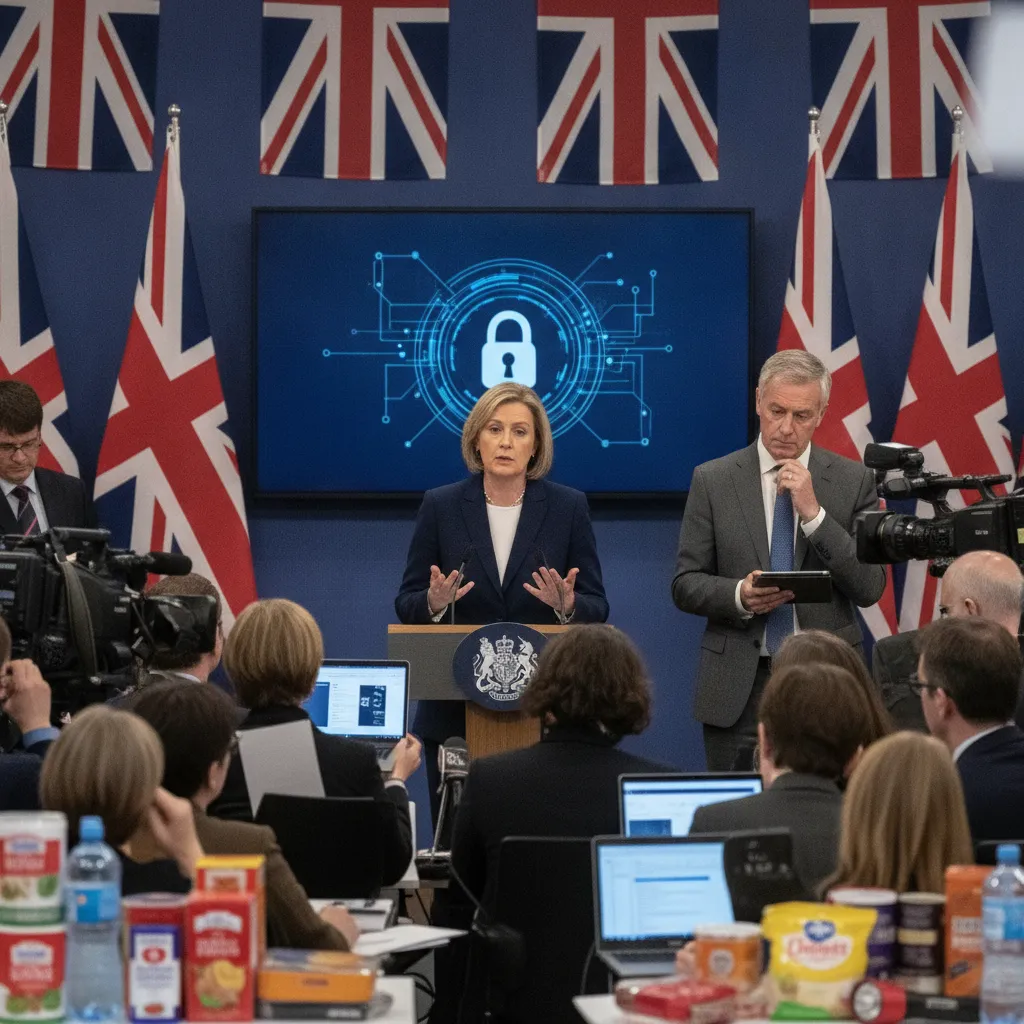
The British government is urging citizens to prepare for potential disasters by assembling three days’ worth of essential supplies, but ministers have made it clear they will not provide a specific shopping list for the public. This guidance comes amidst heightened concerns over national resilience, following eighteen months of persistent warnings regarding foreign cyber attacks capable of crippling critical infrastructure. The urgency of these preparations was underscored recently when dozens of government services were knocked offline due to massive exploitation attempts targeting website vulnerabilities.

Treasury minister James Murray addressed the lack of a formal checklist during a series of media appearances this morning, insisting that the responsibility lies with individual households rather than the state. Speaking to Times Radio, Murray clarified that the initiative is not about issuing directives on what every person in the country should buy. Instead, he argued that the government’s role is to provide general information through official channels and awareness campaigns, leaving individuals to decide which specific items best suit their own needs and circumstances.
While the conversation around emergency preparedness dominates current headlines, the focus in Westminster remains heavily fixed on the upcoming budget delivered by John Healey. During an interview with BBC Radio 4, Murray suggested that slashing pointless bureaucracy for businesses is a primary objective for the Chancellor. He indicated that efforts to reduce red tape could result in savings of up to 800 million pounds, specifically by streamlining reporting requirements for companies across the UK.
